
Head
CT and MRI images of the brain, head vessels, and temporomandibular joints
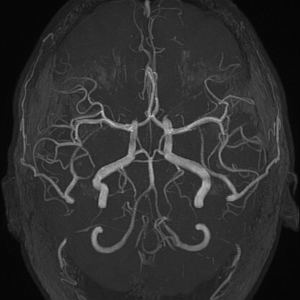
Arteries of the brain
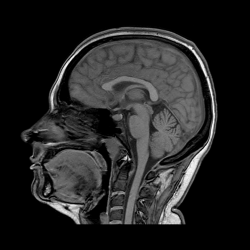
Brain
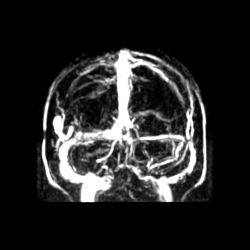
Head veins
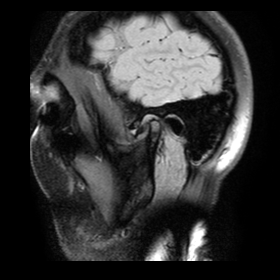
Temporomandibular joints
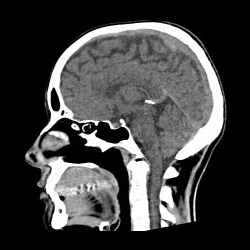
Brain
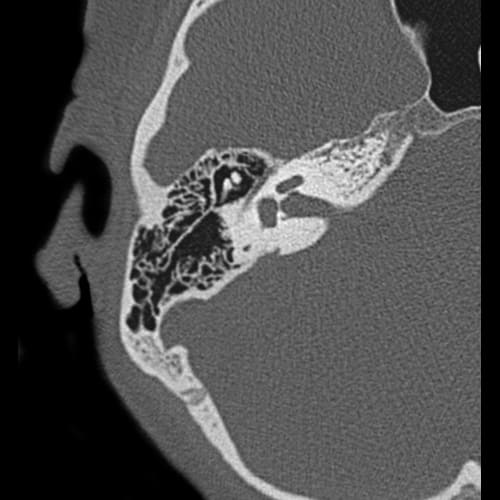
Temporal bones
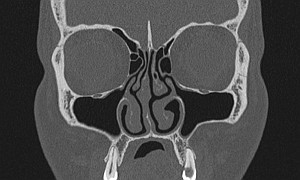
Paranasal sinuses
Neck
CT and MRI images of the neck soft tissues and arteries, and the brachial plexus
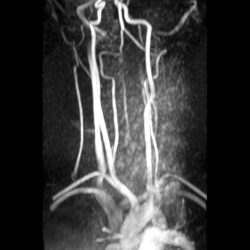
Vessels of the neck
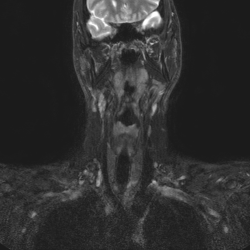
Soft tissues of the neck
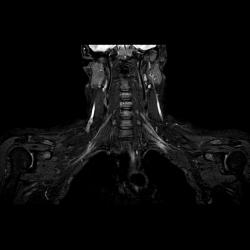
The brachial plexus
Thorax
CT and MRI images of the heart, lungs, and mediastinum, and the breasts
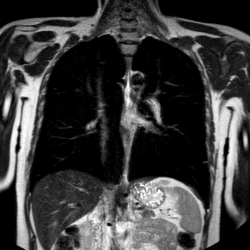
Lungs and Mediastinum
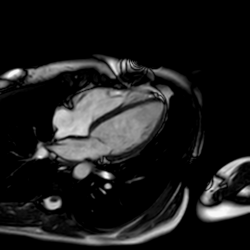
Heart
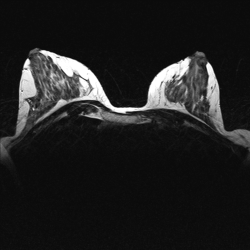
Mammary glands
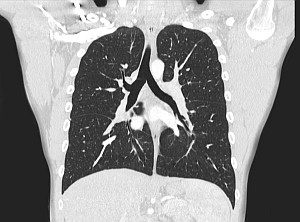
Chest organs
Spine
CT and MRI images of the spine and the sacrococcygeal region, including the sacroiliac joint
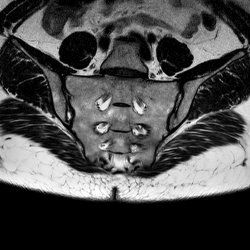
Sacrococcygeal spine
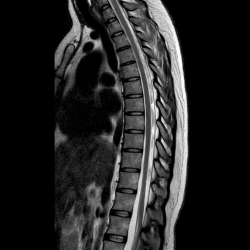
Thoracic spine
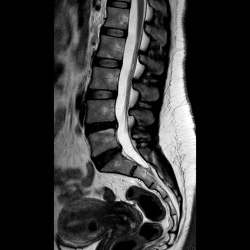
Lumbar spine
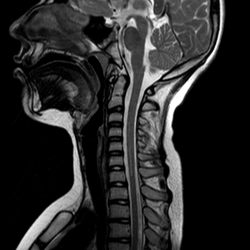
Cervical spine
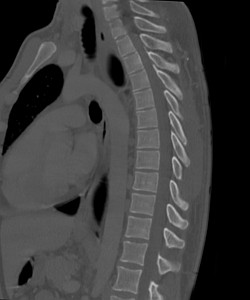
Thoracic spine
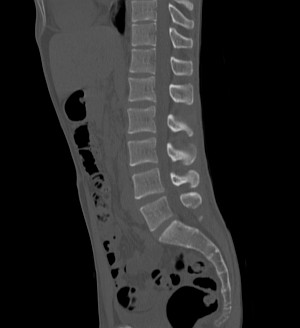
Lumbar spine
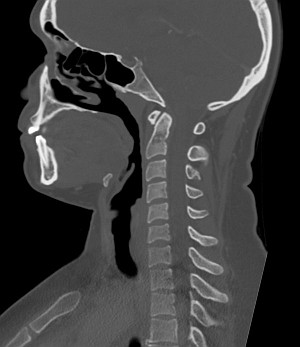
Cervical spine
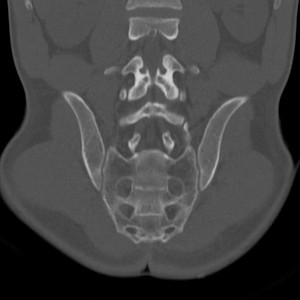
Sacrococcygeal region
Abdomen and pelvis
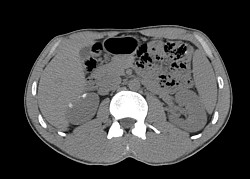
CT and MRI images of the abdominal organs and retroperitoneum, pelvic organs, and the male external genitalia
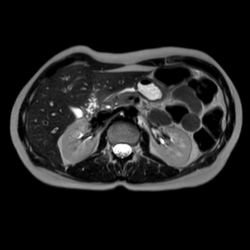
Abdominal cavity and retroperitoneal space
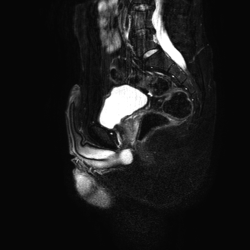
Male external genitalia
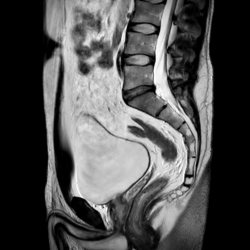
Male pelvis
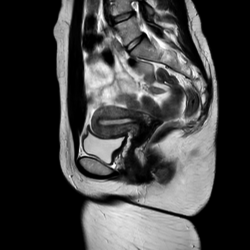
Female pelvis
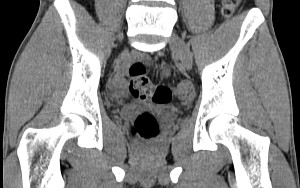
Male pelvis
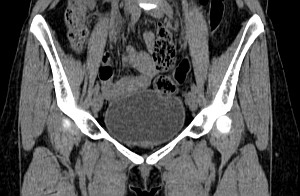
Female pelvis
Abdomen
Upper and lower limbs
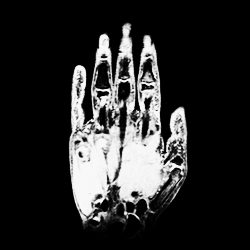
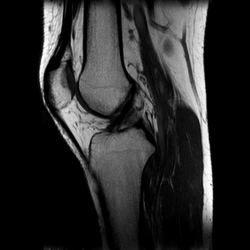
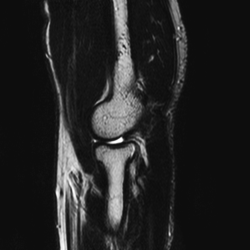
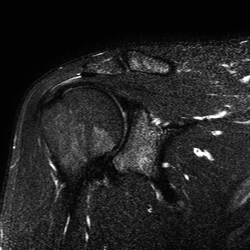
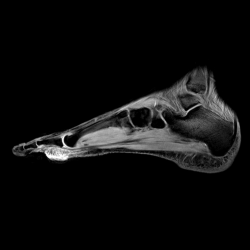
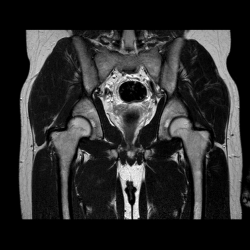
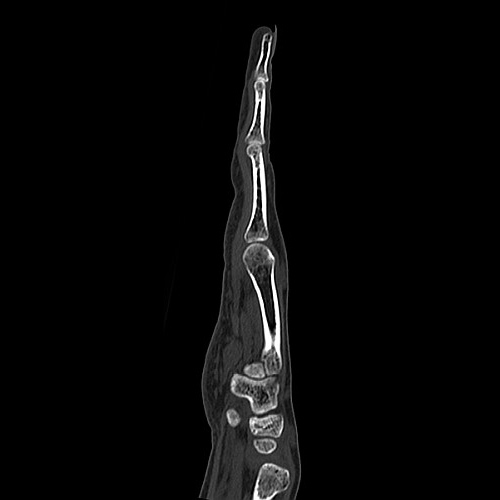
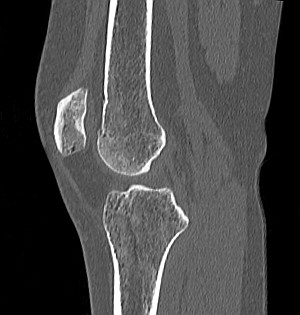
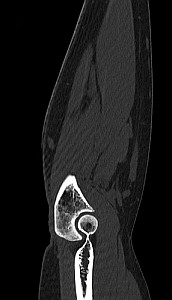
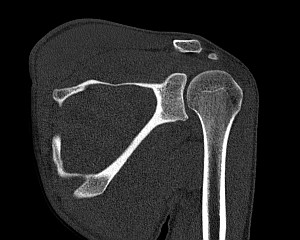
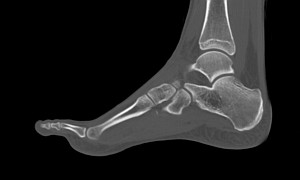
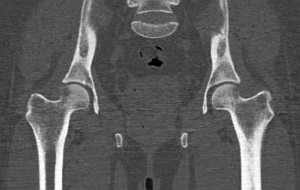
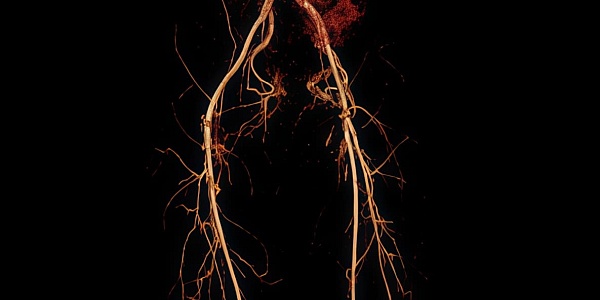
CT and MRI images of the joints of the upper and lower limbs
About the Project
The Radiological Anatomy Atlas is an interactive reference and educational tool for studying normal anatomy on CT and MRI images. Materials are organized by anatomical region, while manually labeled structures help users navigate slices faster, review anatomical landmarks, and work with images in a format close to real radiology practice.
How to Use the Atlas
Choose an anatomical region, open a CT or MRI section, and study the images slice by slice. Turn anatomical labels on and off, switch between label languages, and use the Atlas as a learning resource, a reference tool for reviewing anatomy, or visual material for teaching students and residents.